What is reinstatement? The meaning in a Singapore lease
In a tenancy, reinstatement means returning the unit to the condition the lease requires when you move out. Here’s what that covers, who pays, and how to avoid deposit deductions.
Updated 26 October 2026
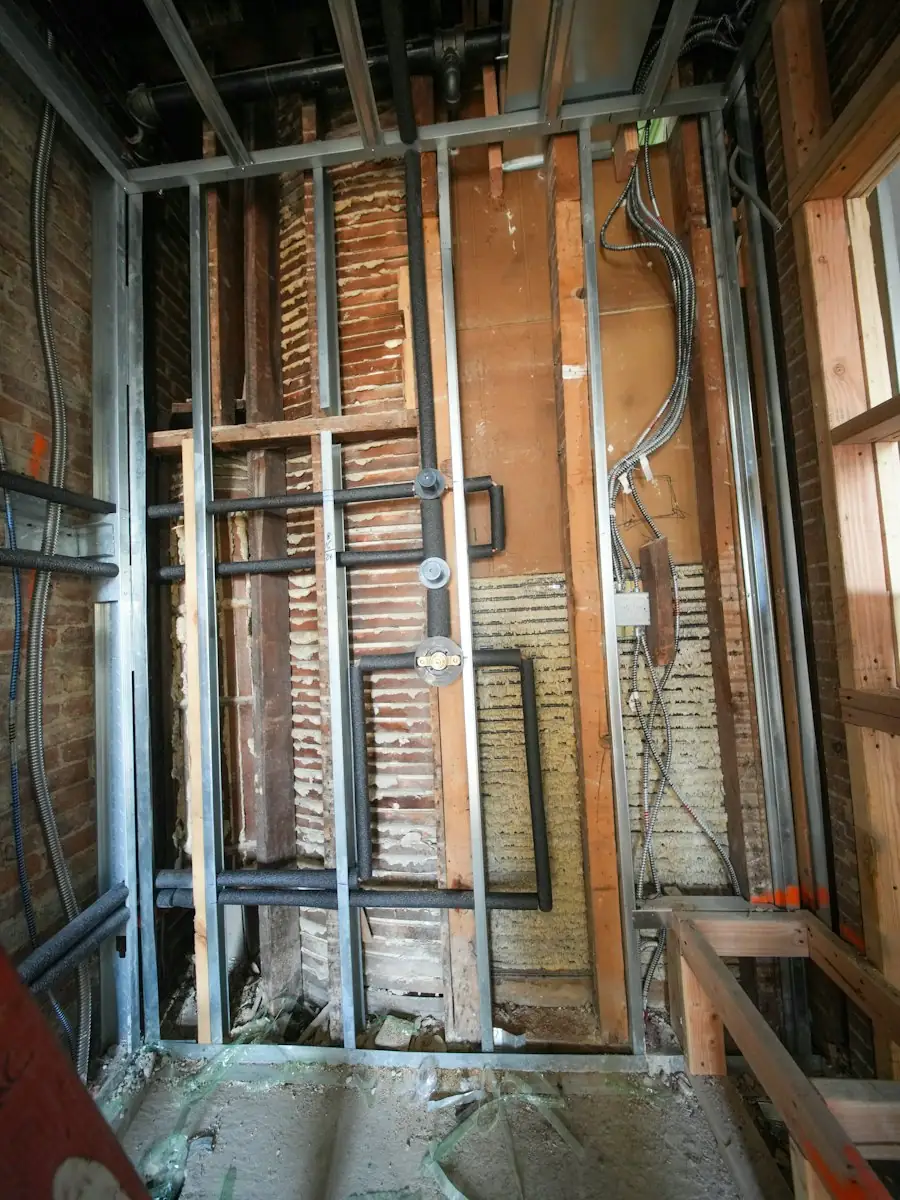
In short: Reinstatement means returning a rented unit to the condition the lease requires when you move out: removing your partitions, ceilings, flooring and added services, then making good. In Singapore the outgoing tenant usually pays, and unfinished work can be deducted from the security deposit.
In this guide
Reinstatement meaning, in one line
Reinstatement is the work a tenant does at the end of a lease to remove their fit-out and return the unit to the condition stated in the tenancy agreement. In Singapore it’s also called “reinstatement works” or “make good”.
The word has other meanings too: reinstating an insurance policy, an employee, a licence or an account. This article is about property leases.
What reinstatement works usually include
- Removing partitions, doors, built-in carpentry and counters
- Removing false ceilings, lighting and added ceiling services
- Lifting carpet, vinyl, raised floors or tiles added by the tenant
- Removing added power points, data cabling and DB boards, and making the electrics safe
- Restoring air-conditioning and sprinkler layouts if the lease requires it
- Patching and repainting walls in the building’s standard colour
- Clearing all debris and cleaning the unit for the landlord’s inspection
Office, shop and home reinstatement compared
| Unit | Usual requirement | Typical extra work |
|---|---|---|
| Office | Bare shell or original condition | Glass partitions, raised floors, server rooms, after-hours work in CBD buildings |
| Shop or mall unit | Mall’s standard handover condition | Shopfront removal, hoarding, works permit, night works |
| F&B outlet | Bare shell or as specified by the landlord | Kitchen exhaust, grease trap, wet-area tiles, gas and water capping |
| HDB or condo | Original layout and finishes | Carpentry, false ceilings, added partitions, flooring |
The details depend on the wording of your lease. See bare shell vs original condition for what each term usually means.
Reinstatement vs renovation
Renovation adds or changes things in a unit. Reinstatement takes away what was added and restores what was there. The two are often done back to back: one tenant reinstates, and the next renovates.
Who pays for reinstatement?
Under most Singapore commercial leases, the outgoing tenant pays. If the unit isn’t reinstated by the handover date, the landlord can do the work and deduct the cost from your security deposit, usually at a higher price than hiring a contractor yourself and with less say over the scope.
Sometimes the landlord or the incoming tenant wants to keep items such as partitions or ceilings. Anything they accept in writing doesn’t need to be removed, which lowers the cost.
When to start
Plan reinstatement 4–8 weeks before the handover date. That leaves time for a site survey, a quotation, any building works permit, the works themselves and the joint inspection. Malls and Grade A offices often only allow noisy works after hours, which stretches the timeline.
How much it costs
Office reinstatement in Singapore commonly starts from around S$4 per sq ft for a simple open-plan unit and rises with partitions, M&E and raised floors. See the reinstatement cost guide for ranges by unit type and size.
Where disputes at handover usually come from
| Issue | How to avoid it |
|---|---|
| Different readings of “original condition” | Get the landlord’s handover checklist and your move-in photos before quoting |
| Items the next tenant wanted but nobody wrote down | Get any waiver of removal in writing |
| Small leftovers: cabling, brackets, adhesive | Walk the unit against the checklist before the joint inspection |
| Missing the handover date | Start 4–8 weeks ahead and plan permits and after-hours works early |
If you added partitions, raised floors or other changes during the lease, those were probably A&A works, and they are usually what reinstatement removes. When you are ready to get quotes, see how to choose a reinstatement contractor.
Related guides
Need help with this?
We handle reinstatement services across Singapore, with a free site survey and an itemised quotation. See reinstatement services, or WhatsApp us photos of the unit.
Get a price for your unit
Send photos, the floor plan and your handover date. Site surveys are free and every quotation is itemised.
Questions we get asked
Can’t see yours? Send it on WhatsApp with a photo of the unit.
What does reinstatement works mean?
Reinstatement works are the removal of a tenant’s fit-out and the restoration of the unit to the condition the lease requires, usually at the end of the tenancy.
What does office reinstatement mean?
Office reinstatement means returning an office unit to bare shell or its original handover condition, including removing partitions, ceilings, flooring, cabling and added M&E.
Is reinstatement the same as make good?
In Singapore leases the terms are used for the same obligation: returning the premises to the agreed condition at lease end.
Can the landlord deduct reinstatement from my deposit?
Yes. If the unit isn’t returned in the required condition, the landlord can carry out the works and deduct the cost from the security deposit, depending on your lease.
Want a price for your unit?
We’ll reply with an initial estimate and a time for a free site survey.